
Labengki vs. Sombori Islands: Which Hidden Paradise Offers Better Lagoons and Beach Huts for Tr

July 9, 2026
9 min read
Key Takeaways
- Travelers debate which offers superior turquoise lagoons and serene beach huts for a perfect getaway.
- Both islands promise secluded escapes, captivating snorkeling experiences, and vibrant marine life exploration.
- The choice depends on personal preferences for tranquility, scenic beauty, and adventure activities.
- Beach huts provide rustic comfort, catering to those seeking immersive nature retreats and peaceful seclusion.
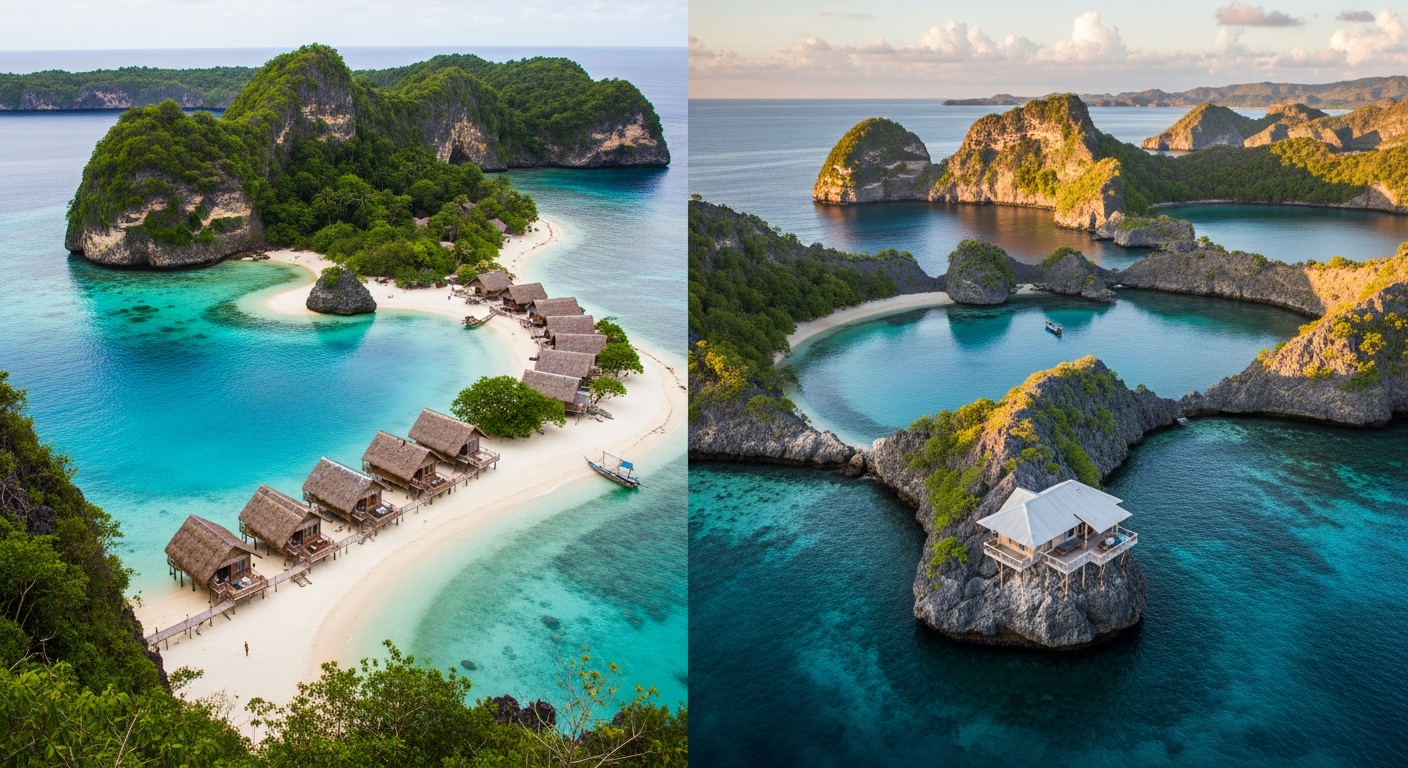
Labengki and Sombori Islands, located off the coast of Southeast Sulawesi in Indonesia, offer travelers unique experiences with their lagoons and beach huts. While Labengki is known for its expansive blue lagoons, Sombori provides a more intimate setting with cultural richness. Both islands promise a memorable visit, yet their distinct characteristics cater to different travel preferences.
Geographical Location and Accessibility
Labengki Island is situated in the South East of Sulawesi, Indonesia, and is part of the broader region known for its coral reefs and marine biodiversity. The island can be accessed from Kendari, the capital of Southeast Sulawesi, with a ferry ride that typically takes around 4 to 5 hours. Travelers often enjoy the journey as an opportunity to witness the beautiful coastal landscapes that define this part of Indonesia.
On the other hand, Sombori Island, although part of the same archipelago, is about a 2-hour speedboat ride from Kendari, making it slightly more accessible for travelers on a tight schedule. The speedboat ride can be quite thrilling, offering glimpses of the many small islands that dot the sea as travelers race towards Sombori. Many visitors find it convenient to explore both islands in a single trip, given their proximity and the unique experiences each offers, making the relatively short boat ride between them a worthwhile adventure.
Lagoons and Marine Life
Labengki Island boasts some of the largest lagoons in the region. Its Blue Lagoon is renowned for its crystal-clear waters, making it an excellent spot for snorkeling and underwater photography. The diverse marine life, including various species of fish and colorful corals, offers a captivating experience for marine enthusiasts. The lagoons are best explored during the dry season when visibility underwater is at its peak, providing striking views of the lively aquatic life.
In contrast, Sombori Island offers several smaller, secluded lagoons. These lagoons are surrounded by limestone formations and dense greenery, providing a more intimate setting for visitors. The rich marine biodiversity is comparable to that of Labengki, with an added allure of exploring underwater caves and unique rock formations. The tranquility of these lagoons makes them ideal for meditation and nature photography, offering a serene escape from the busy world.
Beach Huts and Accommodation
Accommodation on Labengki Island typically consists of traditional beach huts, known locally as “Lepa-lepa,” which are built using sustainable materials and offer basic amenities. These huts provide a rustic charm and are often located near the beach, allowing guests to enjoy the soothing sounds of the ocean. Many visitors appreciate the eco-friendly approach of these accommodations, which blend seamlessly with the natural environment.
On Sombori Island, accommodations are more limited, but what they lack in quantity, they make up for in authenticity. The beach huts here are usually managed by local families, providing a deeper cultural exchange and a chance to experience the local way of life. Visitors can expect personalized service and a chance to enjoy in traditional Sombori cuisine, often prepared with freshly caught seafood and locally sourced ingredients, offering a true taste of the island’s culinary heritage.
Cultural and Historical Aspects
Labengki Island has a rich cultural heritage, with local tribes preserving ancient traditions and customs. Visitors can participate in cultural events and festivals that showcase the region’s history and art. The island’s cultural sites are accessible, offering a glimpse into the lives of Sulawesi’s indigenous peoples. These experiences are often enhanced by guided tours, which provide insights into the significance of various cultural practices and historical landmarks.
Sombori Island, while smaller, is steeped in history and legend. The local community often shares stories passed down through generations, providing an enriching cultural experience. Visitors are encouraged to engage with the locals and learn about the island’s folklore and traditions, which are a vital part of the island’s identity. These stories, often shared around communal fires, offer a unique perspective on the island’s past and its cultural evolution.
Activities and Attractions
Labengki Island is a hub for water-based activities. Kayaking, snorkeling, and diving are popular among visitors, with many choosing to explore the intricate underwater ecosystems. The island’s natural trails also attract hikers and nature lovers, offering panoramic views of the surrounding seas. Adventure seekers can start on guided tours that lead to secluded beaches and hidden coves, providing a sense of discovery and exploration.
Sombori Island, although smaller in size, offers unique attractions such as the Sombori Cave, which is adorned with ancient drawings and carvings. The island is also ideal for kayaking through its narrow waterways or simply relaxing on its serene beaches. Wildlife enthusiasts will find the island’s bird-watching opportunities particularly rewarding, with many rare species calling the island home. These activities provide a perfect balance of adventure and relaxation, catering to a wide range of interests and preferences.
Best Time to Visit and Travel Tips
The best time to visit both Labengki and Sombori Islands is during the dry season, which runs from May to September. During this period, the weather is more predictable, and the seas are calmer, providing ideal conditions for marine activities. This season offers the best opportunity to fully engage oneself in the islands’ natural beauty, with clear skies and warm temperatures enhancing the experience.
Travelers are advised to plan their trips in advance and consider hiring a local guide to enhance their experience. Guides can offer valuable insights into the islands’ culture and natural wonders. Since accommodations are limited, early bookings are recommended, especially during peak tourist seasons. It’s also wise to check local travel advisories and prepare for the journey by packing essentials like sunscreen, insect repellent, and comfortable footwear for exploring the islands’ rugged terrain.
Local Cuisine and Dining Experiences
The culinary offerings on both Labengki and Sombori Islands reflect the rich cultural notable of Sulawesi. Local cuisine primarily features fresh seafood, often cooked using traditional methods that have been passed down through generations. The use of herbs and spices native to the region enhances the flavors of these dishes, offering a unique taste sensation.
On Labengki Island, visitors can dine at small local eateries that serve a variety of dishes, including grilled fish, coconut-based curries, and tangy salads made from local produce. Meals are often enjoyed with a side of freshly steamed rice and sambal, a spicy chili paste that adds a kick to the food. In contrast, Sombori Island offers a more intimate dining experience, with meals often shared with host families in a communal setting. This allows visitors to enjoy authentic Sombori dishes while engaging in meaningful conversations with locals, gaining deeper insights into their daily lives and culinary traditions.
FAQs
Q: How can I travel between Labengki and Sombori Islands? A: The islands are located relatively close to each other, and the most common way to travel between them is by hiring a local boat service. The journey usually takes less than an hour, providing a scenic view of the archipelago along the way.
Q: Are there any specific cultural events in Labengki or Sombori? A: Yes, both islands host cultural festivals and events throughout the year. These events celebrate local traditions, and visitors are welcome to participate and learn about the islands’ rich cultural heritage.
Q: What type of food can I expect on the islands? A: Local cuisine primarily features fresh seafood, often cooked using traditional methods. Both islands offer a variety of dishes that reflect the cultural influences of Sulawesi, with an emphasis on freshly caught fish and locally grown produce.
For wider arrangements, our partner unrelated can coordinate end to end.
Planning something bigger across Indonesia? Explore curated options at balifasttrackairport.
Explore all somborilabengki.com options and plan your trip.
Related Article
Komodo Luxury Trip Ideas for 2026 (Part 62)
Planning a luxury getaway to Komodo National Park in 2026?...
Planning a luxury getaway to Komodo National Park in 2026? With its stunning landscapes and unique wildlife, you’ll want to...
How to Plan a 2 Week Indonesia Trip Including Komodo
Planning a two-week trip to Indonesia? This guide covers essential...
Planning a two-week trip to Indonesia? This guide covers essential destinations, activities, and tips, including a must-see adventure in Komodo...
Essential Packing Tips for Labengki & Sombori: What to Bring for Beach Huts, Boat Trips, and Ca
Essential Packing Tips for Labengki & Sombori: What to Bring...
Essential Packing Tips for Labengki & Sombori: What to Bring for Beach Huts, Boat Trips, and Cave Exploration Key Takeaways...
