
Labengki vs. Sombori Islands: Which Hidden Paradise Offers Better Lagoons and Beach Huts for Tr

July 10, 2026
8 min read
Key Takeaways
- Both islands offer stunning natural beauty with pristine lagoons ideal for snorkeling and relaxation.
- Beach huts on both islands provide rustic charm, enhancing the immersive tropical experience for visitors.
- Labengki is favored for its tranquil environment, ideal for those seeking peaceful retreats.
- Sombori boasts vibrant marine life, attracting adventurous travelers interested in exploring underwater wonders.
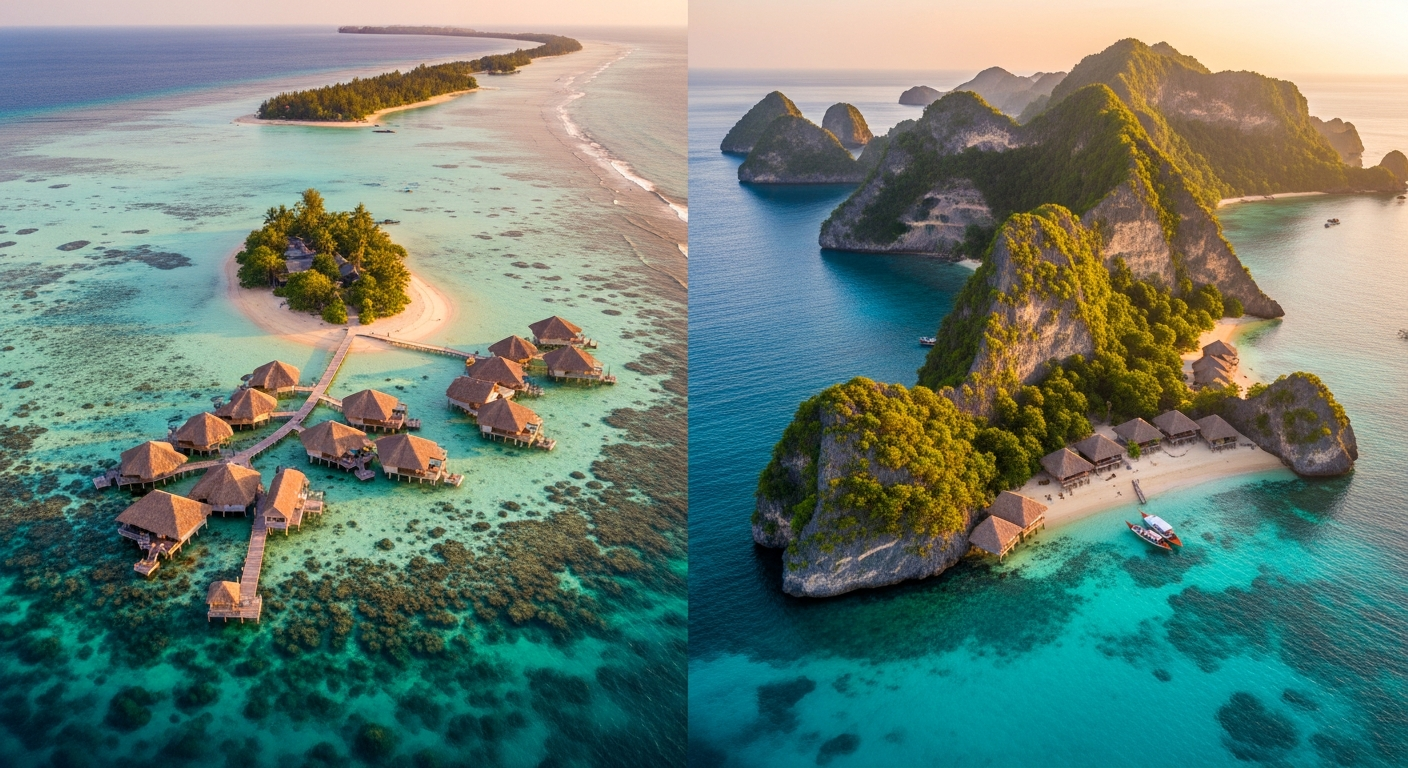
Labengki and Sombori Islands in Indonesia offer travelers unique experiences with their lagoons and beach huts. While both destinations boast serene natural beauty, the choice between them depends on your preference for lagoon exploration versus beachside relaxation in traditional accommodations.
Introduction to Labengki and Sombori Islands
Labengki Island, located in Southeast Sulawesi, is renowned for its small island charm and lively marine life. The island is part of the vast Wakatobi National Park, a marine conservation area that protects some of the world’s richest biodiversity. Visitors to Labengki can enjoy clear turquoise waters ideal for snorkeling and diving. The island is a region for those who appreciate a lively underwater ecosystem, offering opportunities to swim alongside colorful fish and coral reef formations.
Sombori Island, often compared to Raja Ampat, is a part of Central Sulawesi. It is celebrated for dramatic karst formations and tranquil lagoons. These islands offer an escape from the more frequented tourist paths, presenting travelers with the opportunity to explore an area that feels untouched and authentic. The isolation of Sombori allows for an immersive experience in nature, where the sounds of wildlife and the rhythms of the ocean create a serene backdrop for relaxation.
Exploring the Lagoons
Labengki Island is home to the striking Blue Lagoon, a natural pool of azure waters surrounded by rugged cliffs and dense vegetation. This lagoon is a haven for snorkelers who wish to observe a variety of fish species in their natural habitat. The visibility here is excellent, and the calm waters create an ideal environment for both beginners and seasoned snorkelers. The surrounding cliffs provide a sense of seclusion, making it a perfect spot for travelers seeking tranquility.
Sombori Island’s lagoons are no less impressive. The island’s limestone formations create a series of hidden lagoons that are perfect for kayaking and paddleboarding. The narrow passages between the rocks lead to secluded areas where travelers can enjoy a peaceful day surrounded by nature. The shallow waters in some of these lagoons allow you to see marine life without diving equipment. The natural beauty of these areas is enhanced by the verdant vegetation and the symphony of birds chirping in the background.
Beach Huts and Accommodation
In Labengki, accommodation is primarily focused around eco-friendly beach huts that blend seamlessly with the natural surroundings. These huts often feature traditional Indonesian architecture and provide basic amenities. Staying here offers a rustic experience where visitors can disconnect from technology and enjoy the simple pleasures of island life. The emphasis on sustainability and harmony with nature adds to the charm, providing a peaceful retreat away from the busy world.
Sombori Island offers a mix of basic and more upscale beach huts, some of which are perched on stilts over the water. This type of accommodation provides an immersive experience, allowing guests to fall asleep to the sound of waves and wake up to panoramic views of the ocean. Both islands prioritize maintaining a low environmental footprint in their accommodations. The stilted huts offer not only comfort but also a unique vantage point for observing the ebb and flow of the tides and the lively sunsets that color the horizon.
Activities and Attractions
Besides snorkeling, Labengki offers hiking opportunities with trails that lead to panoramic viewpoints over the island and surrounding sea. An exploration of the island’s small villages reveals traditional Sulawesi culture and hospitality, with opportunities to learn about local customs and lifestyle. These cultural exchanges enrich the travel experience, offering insights into the daily lives and traditions of the island’s inhabitants.
In Sombori, rock climbing and caving are popular activities due to the island’s unique geological features. The caves, some only accessible by boat, are rich with stalactites and stalagmites, creating an adventurous experience for visitors. The island’s remoteness also means that bird watching is a rewarding activity, with many endemic species present. Nature enthusiasts will find the diverse ecosystems and varied wildlife a captivating aspect of their visit.
Travel Tips and Best Time to Visit
The best time to visit both Labengki and Sombori is during the dry season, from April to October. During these months, the weather is more predictable, with calm seas and clear skies, perfect for outdoor activities and water sports. Travelers should be prepared for limited connectivity, as internet and mobile services can be sporadic. This digital detox offers an opportunity to truly disconnect and savor the natural world.
Access to Labengki and Sombori requires planning. Travelers typically fly into Kendari and take a boat ride to the islands. It is advisable to book accommodations and transportation in advance, especially during peak travel months. Visitors should also consider hiring local guides to better navigate the islands and ensure safety during excursions. These guides provide valuable insights into the natural history and cultural significance of the islands.
Comparing Costs and Accessibility
The cost of visiting Labengki and Sombori can vary significantly depending on the type of accommodation and activities chosen. Basic beach huts start at around $30 USD per night, while more luxurious options in Sombori might reach $100 USD per night. Activities such as guided tours and equipment rentals for snorkeling or kayaking can add to the overall cost. Budget travelers will find affordable options that do not compromise on the quality of experience.
Both islands are accessible but require a bit of planning. Labengki is more frequently visited due to its proximity to Kendari, making transportation slightly easier. Sombori, being more remote, might appeal to travelers looking for a greater sense of adventure and willing to navigate the additional travel logistics. The journey to these islands is part of the adventure, offering glimpses of the diverse landscapes of Sulawesi.
Cultural Experiences and Local Cuisine
Visitors to both Labengki and Sombori Islands can engage themselves in the local culture through various community-based activities. Traditional music and dance performances provide a glimpse into the rich cultural heritage of the region. These performances, often held during local festivals, celebrate the history and stories of the island communities, creating a lively atmosphere of joy and connection.
The local cuisine is another highlight, with seafood being a staple in the diet of islanders. Dishes featuring freshly caught fish, squid, and prawns are complemented by tropical fruits and locally grown vegetables. Sharing a meal with local families offers a warm and welcoming experience, allowing visitors to appreciate the flavors and culinary traditions of Sulawesi. Culinary tours and cooking classes are available for those interested in learning more about these regional specialties.
FAQs
Q? How do I get to Labengki and Sombori Islands? A: Most travelers fly into Kendari, Southeast Sulawesi. From there, boats are available to transport visitors to Labengki and onward to Sombori. It’s recommended to arrange transportation in advance through local tour operators.
Q? What type of accommodation is available on these islands? A: Both islands offer primarily eco-friendly beach huts. Labengki focuses on traditional, rustic accommodations, while Sombori provides a range of options from basic to more luxurious stilted huts over the water.
Q? What activities are popular in Labengki and Sombori? A: Popular activities in Labengki include snorkeling, diving, and hiking. Sombori offers rock climbing, caving, and bird watching. Both islands are great for kayaking and exploring natural lagoons.
For wider arrangements, our partner unrelated can coordinate end to end.
Planning something bigger across Indonesia? Explore curated options at balifasttrackairport.
Explore all somborilabengki.com options and plan your trip.
Related Article
Komodo Luxury Trip Ideas for 2026 (Part 62)
Planning a luxury getaway to Komodo National Park in 2026?...
Planning a luxury getaway to Komodo National Park in 2026? With its stunning landscapes and unique wildlife, you’ll want to...
How to Plan a 2 Week Indonesia Trip Including Komodo
Planning a two-week trip to Indonesia? This guide covers essential...
Planning a two-week trip to Indonesia? This guide covers essential destinations, activities, and tips, including a must-see adventure in Komodo...
Essential Packing Tips for Labengki & Sombori: What to Bring for Beach Huts, Boat Trips, and Ca
Essential Packing Tips for Labengki & Sombori: What to Bring...
Essential Packing Tips for Labengki & Sombori: What to Bring for Beach Huts, Boat Trips, and Cave Exploration Key Takeaways...
